How to Stain Outdoor Wood: A Complete Guide for Pallet Benches and Garden Furniture
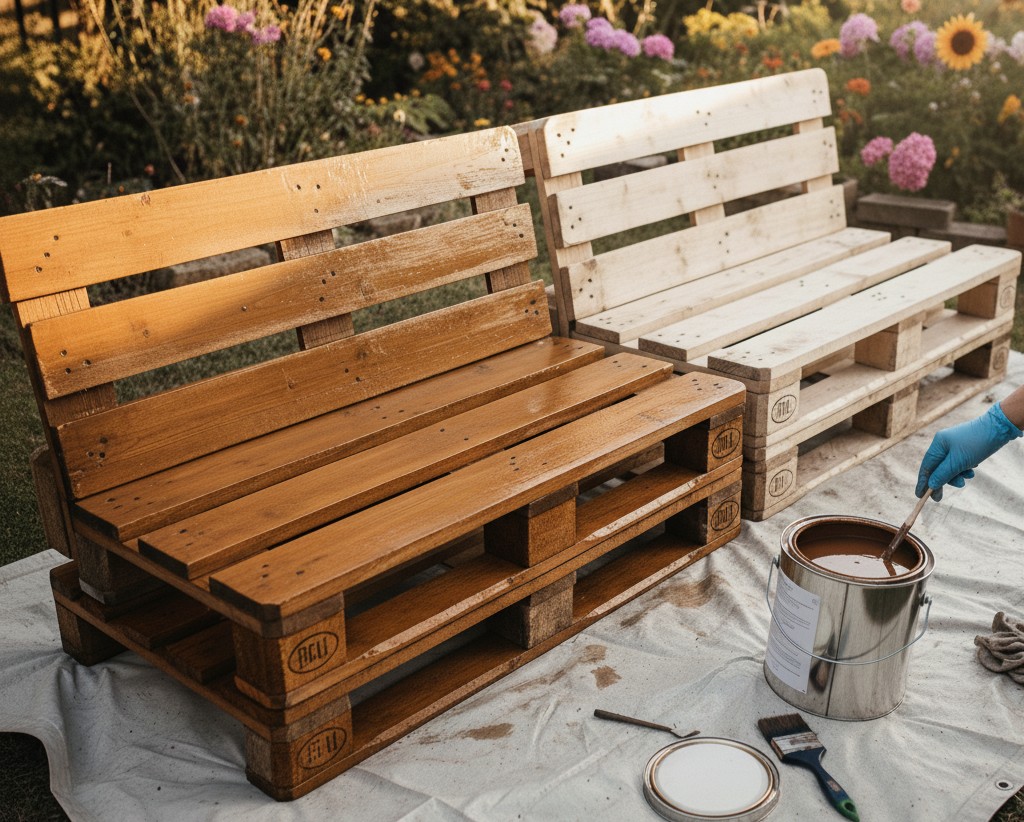
Staining outdoor wood is one of the most effective ways to protect it from sun, rain, and wear while enhancing its natural beauty. Whether you’ve built a bench from pallets or a custom garden chair, proper staining will extend its lifespan and give it a professional finish. This guide walks you through the process step-by-step, from surface prep to sealing, so your project stays beautiful for years.
Why Staining Matters
Outdoor wood faces constant exposure to the elements. UV light, moisture, and temperature changes can all cause warping, fading, and rot. Staining not only improves the appearance but also adds a protective layer that keeps water out and color vibrant.
Benefits of staining include:
- Enhanced wood grain and tone
- Protection against moisture and mildew
- UV resistance to prevent graying
- Easier future maintenance
Choosing the Right Stain
There are several types of stains designed for outdoor use, each with unique characteristics. Choosing the right one depends on your climate, wood type, and desired finish.
Common types of outdoor stains:
- Transparent stain: Shows full wood grain, ideal for new or high-quality wood.
- Semi-transparent stain: Adds color while keeping wood texture visible, great for pallets.
- Solid stain: Opaque coverage, maximum protection but hides most of the grain.
If your pallet bench will sit in direct sunlight or heavy rain, consider a semi-transparent or solid exterior stain with built-in UV blockers.
Recommended colors for pallet furniture:
- Natural Cedar
- Dark Walnut
- Golden Oak
- Driftwood
Tools and Materials Needed
Gather everything before you start to avoid rushing the process. Working methodically gives the best results.
Materials:
- Exterior wood stain (oil- or water-based)
- Wood cleaner or mild detergent
- Sandpaper (120–240 grit)
- Tack cloth or clean rags
- Exterior sealant (optional for extra durability)
Tools:
- Paintbrush or foam brush
- Stir stick
- Drop cloth or tarp
- Gloves and protective eyewear
- Paint tray or small bucket
Surface Preparation
The most important step in staining is proper preparation. If the wood surface is dirty, uneven, or rough, the stain won’t absorb correctly.
- Clean the surface: Use wood cleaner or warm soapy water. Scrub with a soft brush to remove dirt and dust.
- Let it dry completely: Wood should be 100% dry before staining.
- Sand the surface: Smooth rough edges using 120–180 grit sandpaper. This opens the pores of the wood for even absorption.
- Remove dust: Wipe the entire surface with a tack cloth or damp rag.
For pallet wood, take extra time sanding, since reclaimed boards often have rough grain and previous coatings.
Applying the Stain
Once the surface is clean and smooth, it’s time to apply the stain. Work in a shaded, well-ventilated area to prevent premature drying.
Step-by-step:
- Stir the stain thoroughly before and during use (don’t shake, it causes bubbles).
- Use a brush or foam applicator to apply a generous, even coat along the wood grain.
- Let it soak for 5–15 minutes, depending on your desired depth of color.
- Wipe off excess stain with a clean cloth to prevent blotches.
- Let the first coat dry for at least 4–6 hours before applying a second coat (if needed).
For pallet benches, a single coat of semi-transparent stain usually provides a perfect rustic finish while protecting the wood.
Sealing and Protection
Although many outdoor stains contain sealant, adding a clear protective coat can greatly improve water resistance—especially for furniture that stays outside year-round.
How to seal:
- Wait at least 24 hours after staining.
- Apply a thin coat of exterior polyurethane or spar varnish using a clean brush.
- Allow to dry completely before light sanding (240 grit).
- Apply a second coat for added durability.
This final layer makes your bench easier to clean and prevents peeling or cracking from temperature changes.
Maintenance Tips
Outdoor wood needs occasional care to stay in top shape. A little seasonal maintenance goes a long way.
Maintenance checklist:
- Reapply stain or sealant every 12–18 months.
- Wipe the bench dry after rain to prevent water spots.
- Use covers or store indoors during heavy winters.
- Spot-sand and touch up areas showing wear.
Conclusion
Staining pallet benches isn’t just about looks, it’s about longevity. With proper preparation, application, and maintenance, your bench will resist the elements and showcase its natural character for years. So grab your brush, pick your favorite tone, and give your DIY furniture the professional finish it deserves.