Unleashing the Power of Your Arms: Understanding Armwrestling Biomechanics and Preventing Injuries
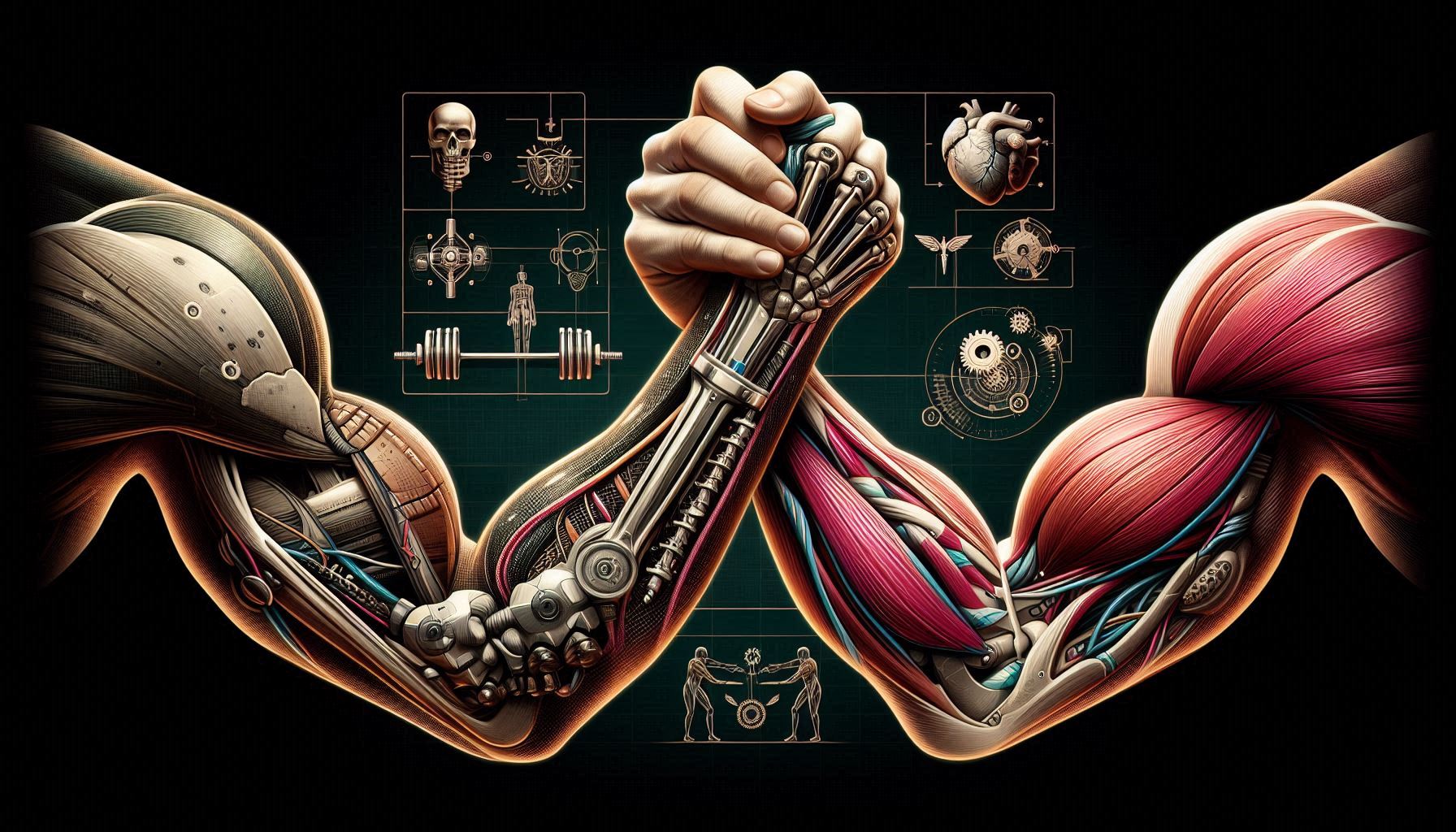
Armwrestling is a thrilling and intense sport that requires strength, strategy, and proper biomechanics to prevent injuries. In this article, we will delve into the intricacies of armwrestling biomechanics and provide you with essential tips to minimize the risk of injuries.
The biomechanics of armwrestling
Armwrestling is a simple yet challenging sport that primarily engages the upper body muscles. The primary muscles involved are the triceps, biceps, brachioradialis, and the forearm muscles. The match begins with both competitors placing their hands on the table with their arms extended, and the forearms in contact. The goal is to push your opponent's hand and forearm down on the table while keeping your own hand and forearm stable.
During the match, the muscles in the upper arm, forearm, and hand contract, generating force to push against your opponent. Proper biomechanics is crucial to maximize force production and minimize the risk of injury. Here are some key biomechanical principles to consider:
- Wrist alignment: Keep your wrist in a neutral position (neither flexed nor extended) and in line with your forearm.
- Elbow position: Keep your elbow bent at a 90-degree angle and close to your body.
- Shoulder position: Keep your shoulders down and back, away from your ears.
- Grip: Use a hook grip or a reverse grip, whichever feels most comfortable and allows you to generate the most force.
Preventing injuries in armwrestling
While armwrestling can be an exhilarating experience, it's essential to prioritize injury prevention to ensure a safe and enjoyable training and competition experience. Here are some tips to help you minimize the risk of injuries:
-
Proper warm-up: Always begin your armwrestling session with a proper warm-up. This can include light cardio exercises, dynamic stretches, and specific armwrestling drills to prepare your muscles for the demands of the sport.
-
Gradual progression: Avoid pushing yourself too hard, too fast. Gradually increase the intensity and volume of your training as your body adapts to the demands of armwrestling.
-
Correct technique: Mastering the correct technique is essential to minimize the risk of injuries. Make sure you understand the proper biomechanics of armwrestling and practice regularly to perfect your form.
-
Proper equipment: Use high-quality equipment that is designed for armwrestling. This includes a sturdy and stable table, wrist guards, and grips.
-
Cross-training: Engage in regular cross-training to build overall strength and improve your armwrestling performance. This can include exercises for the upper body, core, and lower body.
-
Listen to your body: Pay attention to your body and rest when needed. If you experience pain or discomfort during training or competition, take a break and seek medical advice if necessary.
Conclusion
Understanding the biomechanics of armwrestling and implementing injury prevention strategies are essential to maximize your performance and minimize the risk of injuries. By following the tips outlined in this article, you can enjoy a safe and rewarding armwrestling experience. Remember, proper technique, gradual progression, and listening to your body are key components to a successful and injury-free armwrestling journey.