The Guardians of Pixels: Emulation, Gaming History, and the Law
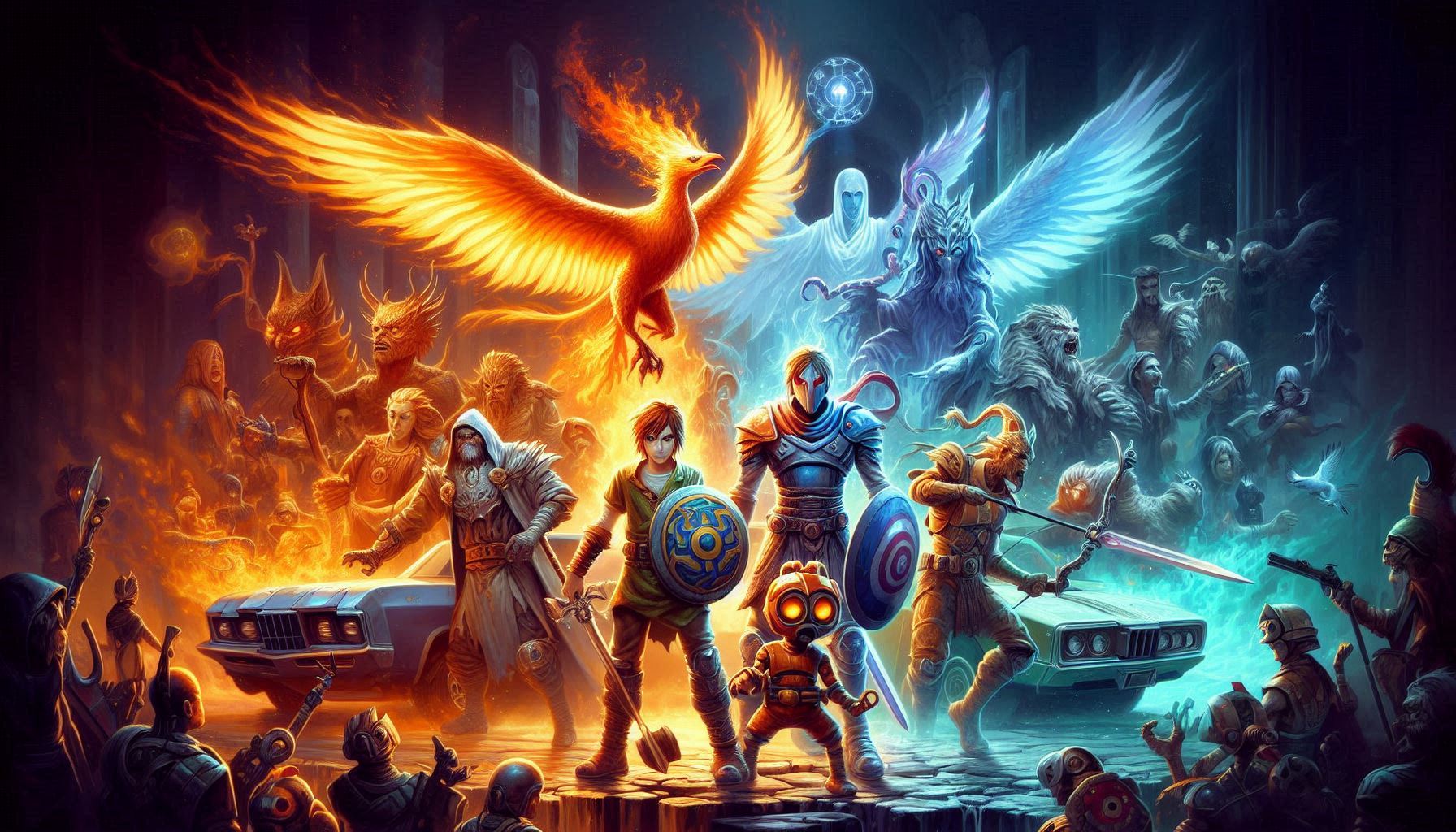
Emulation, the art of mimicking one system on another, plays a vital role in preserving gaming history. It allows us to experience classic games long after their original hardware has become obsolete, broken, or prohibitively expensive. Without emulation, a vast library of gaming experiences would be lost to time.
Emulation: A bridge to the past
Emulation acts as a technological time machine, recreating the functionality of older consoles, computers, and arcade machines on modern devices. This allows gamers to play titles like Super Mario Bros. on their laptops or experience the thrill of Pac-Man on their smartphones, often with enhanced graphics and features.
It's more than just nostalgia. Emulation provides a window into the evolution of game design, offering valuable insights for developers and researchers. By studying these older titles, we can understand how gameplay mechanics have evolved, how storytelling techniques have changed, and how technological limitations spurred creative innovation.
Emulation also serves as a crucial tool for game preservationists. Dedicated individuals and organizations work tirelessly to archive and document classic games, ensuring that they remain accessible for future generations. Emulators, along with ROM images (copies of game cartridges or discs), are essential for this endeavor.
The legal minefield: ROMs and copyright
The legal landscape surrounding emulation is complex, particularly concerning ROMs. While emulation itself is generally considered legal, the distribution and acquisition of ROMs are often a violation of copyright law. This is because ROMs are essentially copies of copyrighted software, and unauthorized distribution infringes on the copyright holder's rights.
Many game companies hold the rights to older titles, even if they no longer actively sell or support them. Distributing ROMs of these games without permission is considered copyright infringement. The legality often hinges on whether the user owns the original game, but even then, downloading ROMs can still be legally questionable.
However, there are exceptions. Some companies release their older games as freeware or abandonware, making them legally available for download and emulation. Others have even embraced emulation by offering their classic titles through virtual consoles or online services.
The legal status of BIOS files, which are system-level firmware required for many emulators to function, adds another layer of complexity. These files are often copyrighted, and obtaining them without owning the original hardware can be considered illegal.
The impact on modern gaming
Emulation has significantly impacted the modern gaming landscape. It has inspired countless indie developers who draw inspiration from retro aesthetics and gameplay mechanics. Games like Shovel Knight and Undertale owe a clear debt to classic games made accessible through emulation.
Furthermore, the popularity of retro gaming has spurred the release of "mini" consoles, such as the NES Classic Edition and the Sega Genesis Mini, which come pre-loaded with classic games. These consoles represent a commercial acknowledgment of the enduring appeal of emulation and retro gaming.
Game developers are also using emulation in development. It provides a testing environment to help them reverse engineer titles to remake and remaster. In some cases, a game can only be preserved via emulation as the original source code has been lost to time.
Challenges and the future of emulation
Emulation faces numerous challenges. Hardware complexity, particularly in more recent consoles, makes accurate emulation difficult. Ensuring that emulators are updated and maintained to support new hardware and operating systems is also a continuous challenge.
Despite these challenges, the future of emulation looks bright. With advancements in computing power and the increasing passion for game preservation, emulation will likely continue to play a crucial role in safeguarding gaming history. Open source emulation projects continue to iterate and improve the accuracy of these tools.
Conclusion
Emulation serves as a vital bridge between the past and present of gaming. It provides a means to experience and appreciate classic games, while also inspiring new generations of developers and gamers. While legal considerations surrounding ROMs remain a challenge, the overall impact of emulation on preserving gaming history is undeniable. Emulation safeguards gaming's heritage, ensuring that the pixelated masterpieces of yesteryear remain accessible for all to enjoy.