Essential Driving Techniques: Bridging the Gap Between Simracing and Real-World Racing
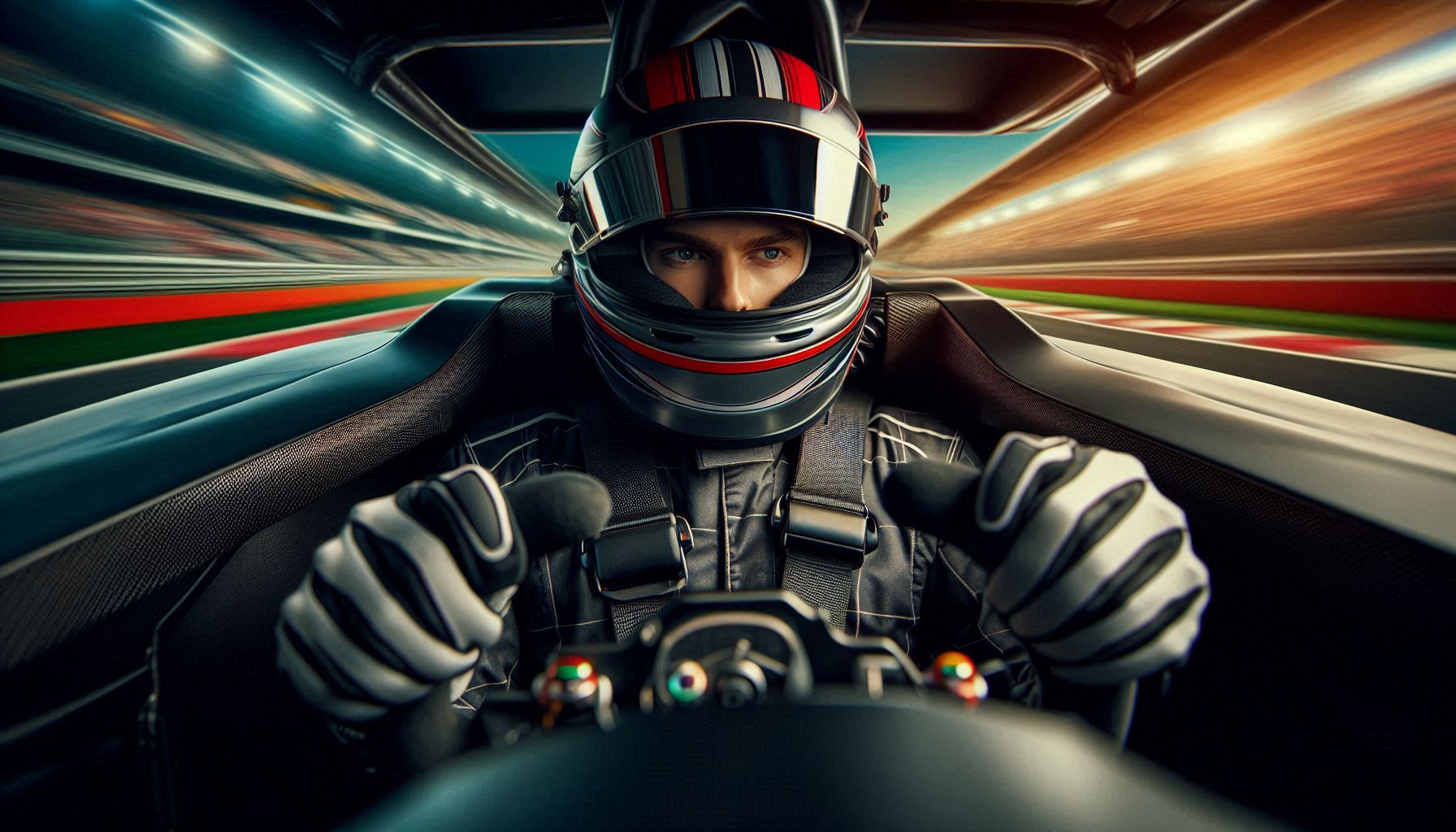
Simracing, or simulation racing, has become an increasingly popular pastime for racing enthusiasts around the world. With the advancement of technology and the availability of high-quality racing simulations, many drivers are finding that their skills in the virtual world translate well to the real one. In this article, we'll explore some essential driving techniques that can be honed in simracing and applied to real-world racing.
Anticipation and predictability
One of the most important skills for any driver, be it simracing or real-world racing, is the ability to anticipate and predict the behavior of other drivers and the track conditions. In simracing, this skill is crucial for navigating traffic, avoiding collisions, and maximizing lap times. In real-world racing, it can mean the difference between a podium finish and a retirement.
- Identify the driving patterns of other racers: In simracing, you can easily observe the driving habits of other competitors through their in-game telemetry data. In real-world racing, you'll need to rely on body language, tire wear, and other visual cues to gauge the intentions of other drivers.
- Adapt to changing track conditions: Simracing allows you to adjust your setup on the fly to account for changing track conditions. In real-world racing, you'll need to be able to adapt to changing conditions, such as rain or oil on the track, by adjusting your driving style and car setup.
Smooth control inputs
Another essential driving technique that transfers well from simracing to real-world racing is the ability to apply smooth, consistent control inputs. In simracing, this can help you maintain better lap times and minimize tire wear. In real-world racing, it can help you maintain control of your vehicle in high-speed corners and during sudden maneuvers.
- Gradual braking and acceleration: In both simracing and real-world racing, gradual braking and acceleration are essential for maintaining traction and stability. In simracing, you can use the throttle and brake pedals to apply smooth, consistent inputs. In real-world racing, you'll need to use the clutch, throttle, and brake pedals to achieve the same effect.
- Smooth steering inputs: In simracing, smooth steering inputs can help you maintain grip and minimize tire wear. In real-world racing, they can help you navigate corners more effectively and maintain control of your vehicle during high-speed maneuvers.
Car control and setup
Simracing provides drivers with a wealth of data and customization options that can help them fine-tune their car setup for optimal performance. In real-world racing, you won't have access to the same level of data or customization, but the fundamental principles of car control and setup remain the same.
- Understanding tire behavior: In both simracing and real-world racing, understanding tire behavior is essential for maximizing grip and maintaining control. In simracing, you can use tire temperature and pressure data to optimize your setup. In real-world racing, you'll need to rely on experience and observation to determine tire behavior.
- Adjusting driving style for car setup: In simracing, you can easily adjust your driving style to compensate for changes in car setup. In real-world racing, you'll need to be able to adapt your driving style to suit the characteristics of your car, such as its weight distribution and handling characteristics.
Conclusion
Simracing and real-world racing share many fundamental driving techniques, and honing these skills in a simulator can help you become a more effective and successful driver on the track. By focusing on anticipation and predictability, smooth control inputs, and car control and setup, you'll be well on your way to bridging the gap between the virtual and real worlds of racing. Remember, however, that simracing is just a tool, and the ultimate goal is to apply these skills in a real-world racing environment. Happy racing!
- Gradual braking and acceleration
- Smooth steering inputs
- Understanding tire behavior
- Adjusting driving style for car setup
- Anticipation and predictability
- Adapt to changing track conditions
- Car control and setup are essential skills in both simracing and real-world racing.
- Simracing provides valuable data and customization options for optimizing car setup.
- Real-world racing requires drivers to rely on experience and observation to determine tire behavior and adapt to changing conditions.
- Smooth control inputs help maintain traction