Sim to Reality: Driving Skills That Translate from Simracing to the Track
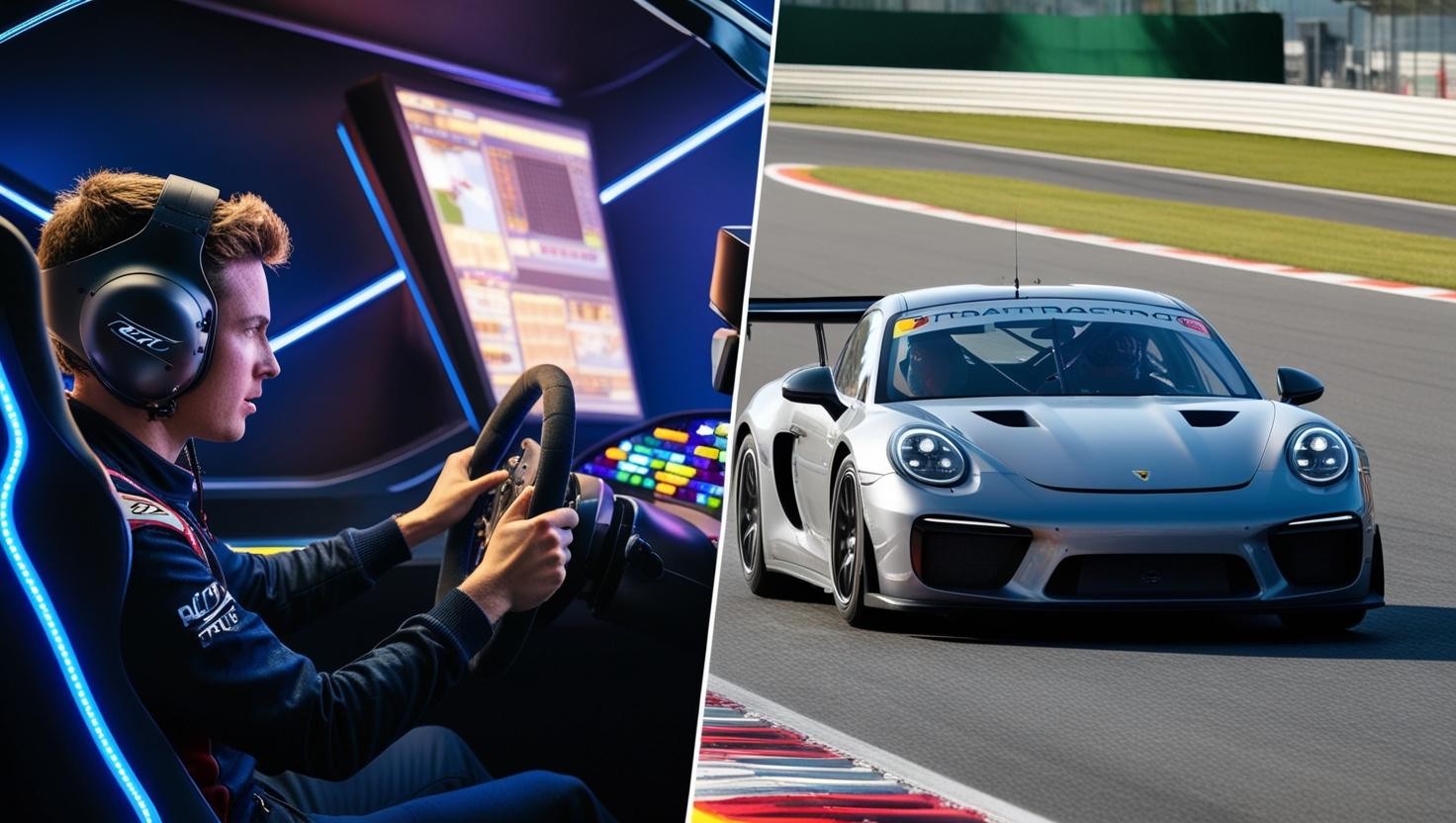
Simracing has evolved significantly, becoming more than just a game. Modern simulations offer incredibly realistic physics, tire models, and track recreations. Consequently, many driving skills honed in the virtual world directly translate to real-world racing, giving simracers a competitive edge.
Understanding racing lines and track knowledge
One of the most crucial aspects of racing, regardless of medium, is understanding the racing line. Simracing allows drivers to learn the optimal path around a track without the financial risks or physical limitations of real-world racing. By practicing and analyzing telemetry in sims, drivers can internalize the braking points, turn-in points, apexes, and exit points needed for maximum speed.
This knowledge translates almost directly to the real track. While minor adjustments may be needed based on the specific car and track conditions, the fundamental understanding of the racing line provides a massive head start. Simracers can arrive at the track with a clear idea of where to position the car, significantly reducing the learning curve.
Mastering car control and weight transfer
Simracing provides a safe environment to experiment with car control techniques. Drivers can push the limits of grip, explore different driving styles, and learn how to react to oversteer and understeer. The better simulations accurately model weight transfer, allowing drivers to feel how the car responds to braking, acceleration, and steering inputs.
Learning to anticipate and manage weight transfer is critical for maintaining control and maximizing cornering speed. Simracers can practice techniques like trail braking, throttle steering, and Scandinavian flicks, building muscle memory and developing an intuitive understanding of the car's behavior. This translates directly to the real world, helping drivers maintain composure and extract more performance from the car.
Developing consistency and mental fortitude
Consistency is king in racing, and simracing is excellent for cultivating this trait. The ability to consistently hit braking points, apexes, and exit points lap after lap is vital for setting fast lap times and minimizing errors. Simracing provides endless opportunities to practice and refine these skills.
Furthermore, simracing can help develop mental fortitude. Dealing with pressure, recovering from mistakes, and managing tire wear all contribute to a driver's mental strength. Learning to stay focused and maintain a consistent pace under pressure is a skill that translates directly to the real world, especially in competitive racing environments.
Analyzing data and telemetry
Modern simracing platforms offer robust telemetry systems that track various data points, including speed, braking force, steering angle, and throttle position. Analyzing this data is crucial for identifying areas for improvement and fine-tuning driving techniques. By comparing their telemetry to that of faster drivers, simracers can pinpoint where they are losing time and adjust their approach accordingly.
This skill is invaluable in real-world racing, where data analysis is a standard practice. Understanding how to interpret telemetry and use it to improve performance is a critical skill for any racing driver. Simracing provides a low-stakes environment to learn these skills, giving drivers a significant advantage when they transition to the real track.
Benefits: A quick recap
Here's a recap of the benefits a simracer has when transferring skills to real racing:
- Track Familiarization: Pre-learned track layouts and optimal lines.
- Car Control Refinement: Experience with oversteer, understeer, and weight transfer.
- Consistency Development: Honed precision in hitting marks lap after lap.
- Data Analysis Skills: Understanding and interpreting telemetry data.
- Mental Preparation: Developed focus and resilience under pressure.
Conclusion
While simracing cannot fully replicate the physical demands and sensory experiences of real-world racing, it provides an invaluable training ground for aspiring drivers. The skills developed in the virtual world, from understanding racing lines and mastering car control to analyzing data and cultivating mental fortitude, directly translate to the track. By embracing simracing as a training tool, aspiring racers can accelerate their learning curve, improve their performance, and gain a competitive edge in the real world of motorsports.